
THE PREPARED CITIZENS REPORT • November 3, 2026
Fuel. Water. Food. Heat. Sanitation.
An empty water barrel won’t supply your family. An empty gas can won’t run your generator. And a wood stove without dry firewood won’t keep your home warm.
Governments are warning about cyber threats and encouraging preparedness. This is a good time to make sure your supplies are ready to use.
What the warnings mean for your household
U.S. agencies have warned about cyber activity targeting energy and water infrastructure. Britain’s National Cyber Security Centre has warned about disruptive attacks against essential services. The European Commission is promoting at least 72 hours of household self-sufficiency as part of broader emergency preparedness. Read the dated reporting and official sources below.
These warnings are credible reasons to prepare. They do not establish that a nationwide grid collapse is imminent.
An extended outage could affect heating, refrigeration, well pumps, fuel stations, communications, and electronic payments. Top off what you already have, replace what you’ve used, and test your backup plans.
TOP OFF YOUR FUEL
☐ Fill tanks in everyday vehicles, trucks, tractors, equipment, and your evacuation vehicle.
☐ Fill approved gasoline cans to their marked fill lines; leave room for expansion.
☐ Replenish diesel in approved, clearly labeled containers.
☐ Refill or exchange propane cylinders; check your household propane tank.
☐ Estimate generator fuel needs using actual fuel consumption.
☐ Date and rotate fuel; use stabilizer where manufacturers recommend it.
☐ Gather funnels, spouts, transfer pumps, and work gloves.
Keep fuel in approved storage locations away from living spaces and ignition sources. Store portable propane cylinders upright outdoors and follow local storage limits.

FILL YOUR WATER STORAGE
☐ Clean, sanitize, and fill food-grade 55-gallon water drums.
☐ Fill drinking-water-rated tanks, portable containers, and water bladders.
☐ Use a drinking-water-safe hose for potable containers.
☐ Check barrel pumps, spigots, hoses, and dispensing equipment.
☐ Label containers with fill dates and whether water is potable.
☐ Store separate water for cleaning and toilet flushing.
☐ Protect water from freezing, sunlight, fuel, and chemicals.
☐ Replenish treatment supplies and replacement filters.
☐ If you use a well, test how you will get water without utility power.
☐ When a credible warning provides time, fill bathtub emergency bladders according to their instructions.
Start with at least one gallon per person per day for three days and work toward two weeks where possible. Add extra for pets and additional cooking and sanitation needs. Four people need 56 gallons for 14 days at that baseline—slightly more than one 55-gallon drum. Never use containers that held fuel or toxic chemicals.

TOP OFF ESSENTIAL FOODS
☐ Replenish rice, beans, lentils, flour, oats, and other grains your household eats.
☐ Stock canned soups, stews, chili, and ready-to-eat meals.
☐ Top off canned meats, fish, vegetables, and fruit.
☐ Check cooking oil, salt, sugar, baking supplies, peanut butter, and shelf-stable milk.
☐ Include foods requiring little or no cooking and a manual can opener.
☐ Replenish baby food, special-diet foods, and pet food as needed.
☐ Rotate older food forward; protect dry goods from moisture and pests.
Match food to available water and cooking fuel. Dry beans require considerably more preparation than canned meals.
GATHER FIREWOOD & PREPARE YOUR HEAT
☐ Gather dry, seasoned firewood for your wood stove.
☐ Keep an accessible supply under cover with airflow around the stack.
☐ Replenish kindling, tinder, matches, and lighters.
☐ Check your stove, chimney, and stovepipe; arrange cleaning or repairs as needed.
☐ Gather stove gloves, fireplace tools, and a metal ash container with a lid.
☐ Check smoke alarms, carbon monoxide alarms, and fire extinguishers.
☐ Set aside warm bedding, sleeping bags, wool socks, and winter clothing.
☐ Confirm backup heaters are approved for their intended location and follow ventilation instructions.
Run generators outdoors at least 20 feet from doors, windows, and vents. Never use an oven, outdoor grill, or outdoor cooking stove to heat your home.

CHARGE DEVICES & BACKUP POWER
☐ Charge phones, tablets, laptops, and essential medical devices.
☐ Charge flashlights, headlamps, and lanterns.
☐ Charge handheld radios, emergency radios, and spare radio batteries.
☐ Fully charge power banks, portable power stations, and solar generators.
☐ Charge tool batteries needed for essential repairs.
☐ Gather charging cables, vehicle chargers, and adapters.
☐ Replenish disposable batteries in the sizes your equipment uses.
☐ Test solar panels, cables, and connectors.
☐ Test your generator and confirm safe connections for essential equipment.
KEEP EMERGENCY CASH AVAILABLE
☐ Consider withdrawing emergency cash now while banking services are available.
☐ Keep as much cash as you feel comfortable keeping without compromising money needed for bills.
☐ Favor small bills for purchases when change is limited.
☐ Store cash discreetly in a secure location protected from fire and water.
Plan for the possibility that ATMs, card readers, and electronic payments may be unavailable during a disruption.
ESTABLISH A BACKUP TOILET PLAN
☐ Choose a portable camping toilet, serviced porta-potty, or sturdy bucket toilet with a fitted seat and lid.
☐ Stock purpose-made toilet waste bags and compatible absorbent or solidifying material.
☐ Replenish toilet paper, disposable gloves, and cleaning supplies.
☐ Set up a handwashing station with stored water, soap, and a catch basin.
☐ Identify secure temporary storage for sealed waste away from food, children, animals, and water supplies.
☐ Confirm approved disposal options with your sanitation or public-health authority.
☐ If considering an outhouse, verify local approval, siting, and groundwater-protection requirements before construction.
Follow utility instructions about flushing during sewer disruptions. Keep human waste out of storm drains, waterways, gardens, and ordinary compost piles.
PREPARE FOR GARBAGE & FLY CONTROL
☐ Stock heavy-duty trash bags and contractor bags.
☐ Check outdoor garbage cans for tight-fitting lids.
☐ Separate garbage from toilet waste, batteries, and chemicals.
☐ Contain food scraps and remove them from living areas regularly.
☐ Replenish fly strips, fly traps, and window-screen repair materials.
☐ Place fly-control products away from food preparation, children, and pets.
☐ Identify approved disposal options if regular pickup stops.
☐ If using a burn barrel, verify permitted materials, permits, and current restrictions.
Plan to contain garbage rather than rely on burning. Idaho restricts household-trash burning; owning a burn barrel does not authorize burning all waste. Never burn plastics, batteries, chemicals, or toilet waste.
TOP OFF CLEANING & HYGIENE SUPPLIES
☐ Replenish hand soap, dish soap, laundry detergent, and household cleaners.
☐ Check disinfectants and follow labels. Never mix cleaning chemicals.
☐ Stock toilet paper, tissues, and paper towels.
☐ Top off toothpaste, toothbrushes, deodorant, and personal-care supplies.
☐ Replenish menstrual products, diapers, and incontinence supplies as needed.
☐ Gather cleaning cloths, buckets, scrub brushes, and disposable gloves.
☐ Stock hand sanitizer and body wipes for limited-water situations; keep soap and water available for handwashing.
CHECK YOUR AMMUNITION SUPPLY
☐ Review your ammunition inventory and replenish as needed within your budget.
☐ Confirm ammunition matches the correct firearm and caliber.
☐ Inspect ammunition for corrosion or damage.
☐ Keep ammunition secured, dry, and inaccessible to children or unauthorized users.
FINISH WITH A HOUSEHOLD CHECK
☐ Check prescription supplies and backup plans for medical equipment.
☐ Keep emergency contacts and important instructions on paper.
☐ Confirm your family communication and meeting plan.
☐ Make sure household members know where supplies are and how to use them.
☐ Check on relatives or neighbors who may need help preparing.
Current Warnings & Further Reading
September 18, 2026 — Reuters: Hackers targeted Colorado water systems
Reporting describes equipment manipulation at two small utilities in August. Officials said public safety and water services were not affected.
August 27, 2026 — UK NCSC: Disruptive cyber activity
The UK authority reports increased targeting of operational technology globally and some limited real-world disruption.
July 30, 2026 — FBI/EPA: Water and wastewater warning
The alert reports incidents in at least seven states, with some activity degrading water operations.
July 22, 2026 — CISA and partners: Updated infrastructure advisory
An updated warning about Iranian-affiliated activity against internet-connected industrial control equipment.
November 3, 2026 — European Commission: Population preparedness guidance
Guidance includes household self-sufficiency for at least 72 hours. This is all-hazards planning, not a prediction of a cyber-induced blackout.
CDC — Emergency water storage
Container selection, sanitation, and storage guidance.
FEMA — Power outage safety
Generator placement, heating, food safety, and household planning.
Idaho DEQ — Burning restrictions
Check state guidance and local restrictions before any burning.
Pick your biggest gap—and handle it today
Fill the water containers. Refill the propane. Bring in the firewood. Charge the power station. Assemble the toilet kit. Every completed task gives your household another working option when services stop.
Prepare Today. Survive Tomorrow.
— Joe
The Idaho Prepper
TheIdahoPrepper.com
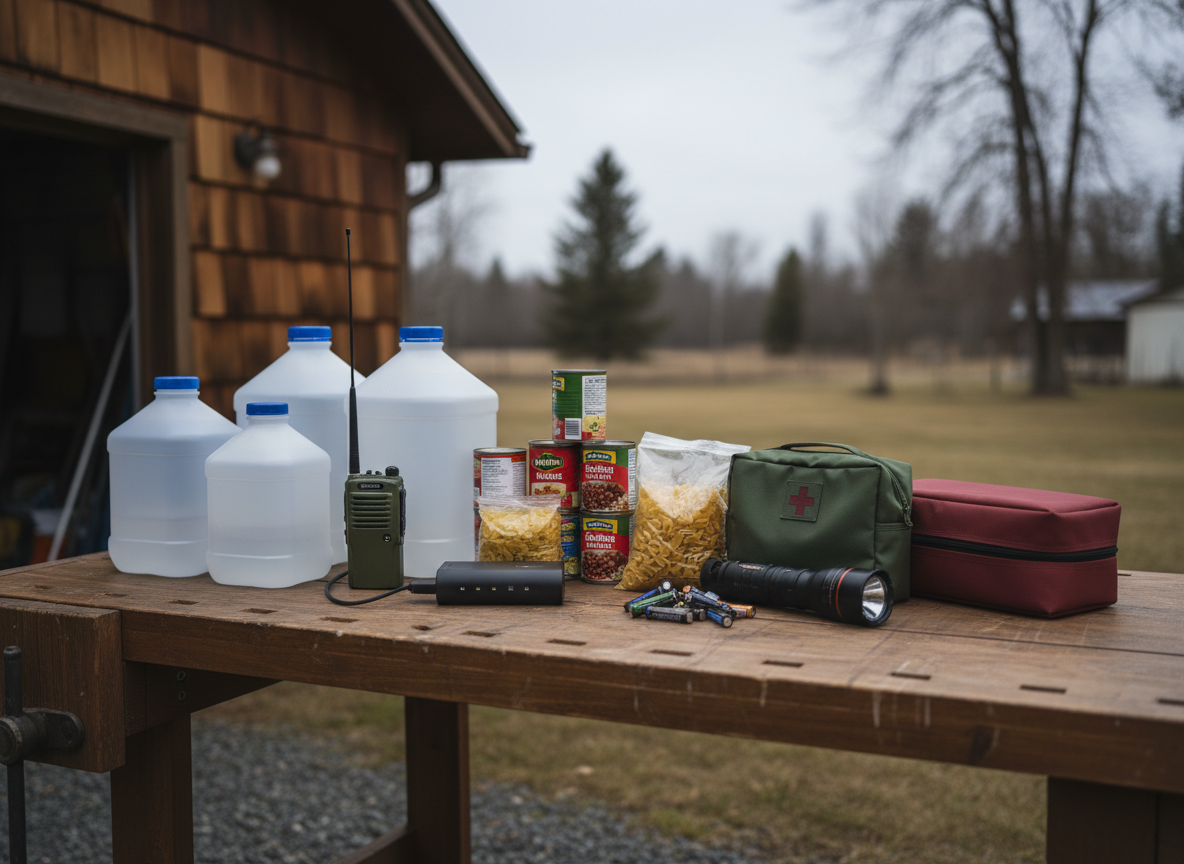
Preparedness images are illustrative and do not depict the cyber incidents discussed.
Leave a Reply